NSW strata committees can no longer treat EV charging as optional. Here's what the law requires, what it costs, and how to plan an install that scales.
EV charging in strata and body corporate buildings has shifted from a nice to have to a governance issue in the space of a couple of years. Owners are lodging formal requests for chargers, new buildings are required to be EV ready from the ground up, and committees without a plan are increasingly the ones fielding disputes and delays. Getting ahead of the issue, rather than reacting to it one request at a time, is now the more practical approach for most NSW committees. Here is what needs to be understood in 2026.
Under the Strata Schemes Management Act 2015, requests to install EV charging infrastructure are classified as sustainability infrastructure in NSW, which means they can pass on a simple majority vote rather than requiring the higher threshold of a special or unanimous resolution. A body corporate cannot unreasonably refuse a compliant EV charger installation request, and the onus sits with the committee to justify any refusal rather than with the owner to justify the request. This shifts the practical question for most committees away from whether to allow EV charging at all, and toward how to manage it fairly and safely as more owners apply.
For new buildings, the National Construction Code 2022 requires common areas of new apartment developments to be EV ready, which generally means a dedicated electrical distribution board sized for EV charging is installed as standard, typically at a rate of around one board per 24 parking spaces. Committees managing newer buildings should confirm this infrastructure was actually installed to code during construction, rather than simply assuming it was, since the difference between EV ready wiring and no dedicated provision at all significantly affects how easily future charger requests can be accommodated.
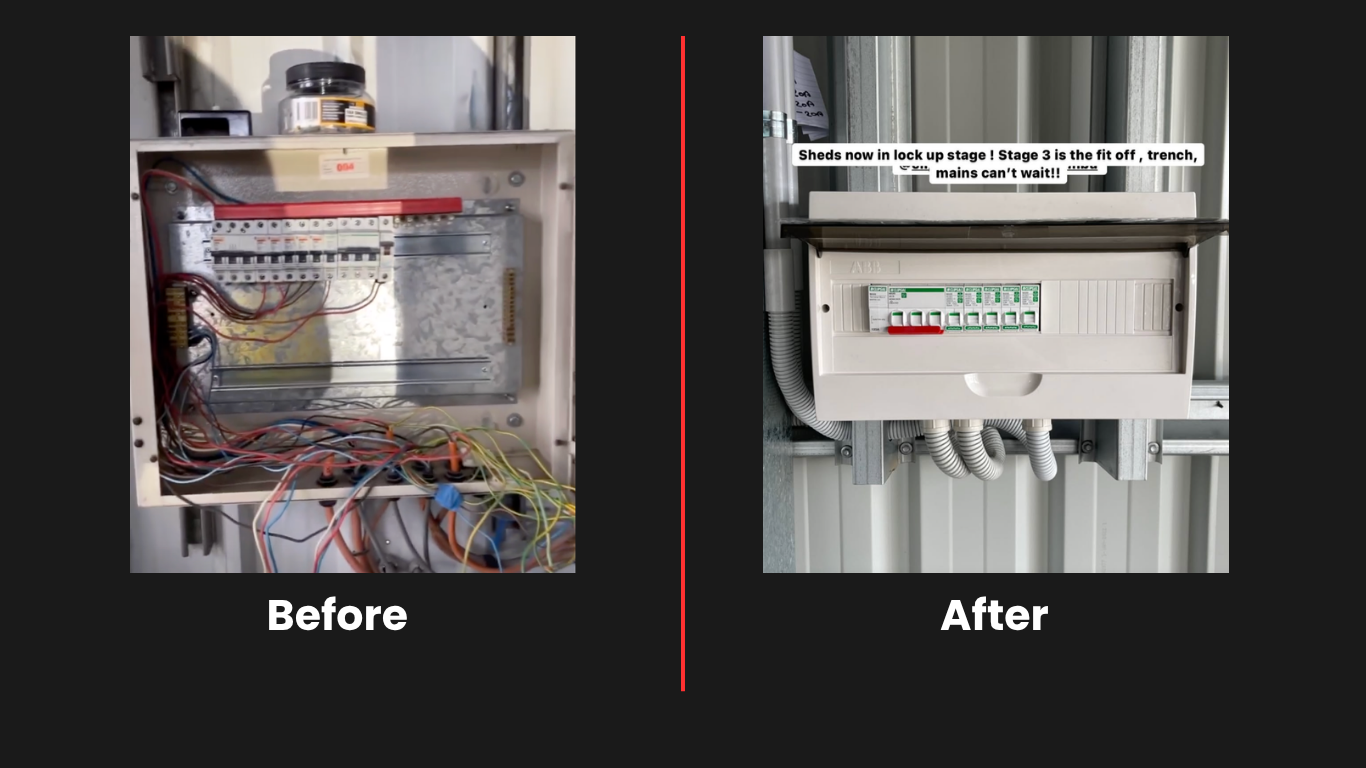
Many older buildings were never designed with EV charging in mind, and were not built to support several residents charging simultaneously. Without proper load management in place, multiple EV chargers running at once can overload existing switchboard infrastructure that was sized for a different era of household appliances. This is where a facility wide load management system, planned once for the whole building, saves a committee from repeating the same electrical assessment every time a new owner submits a request. A smart hub approach, which shares available capacity dynamically across multiple chargers rather than allocating a fixed maximum to each one, is generally the more scalable solution for buildings expecting more than a handful of EV owners over the next few years.
There are a few common approaches. Individual owners can pay for their own dedicated circuit and metering, the committee can fund shared infrastructure with usage based billing, or buildings can adopt a hybrid model combining both. The right structure depends heavily on parking allocation and how many owners are realistically likely to want a charger within the next few years, which is why it is worth planning capacity for future growth rather than solving each request in isolation as it comes in. A clear, written charging policy agreed by the committee upfront avoids most disputes before they start.
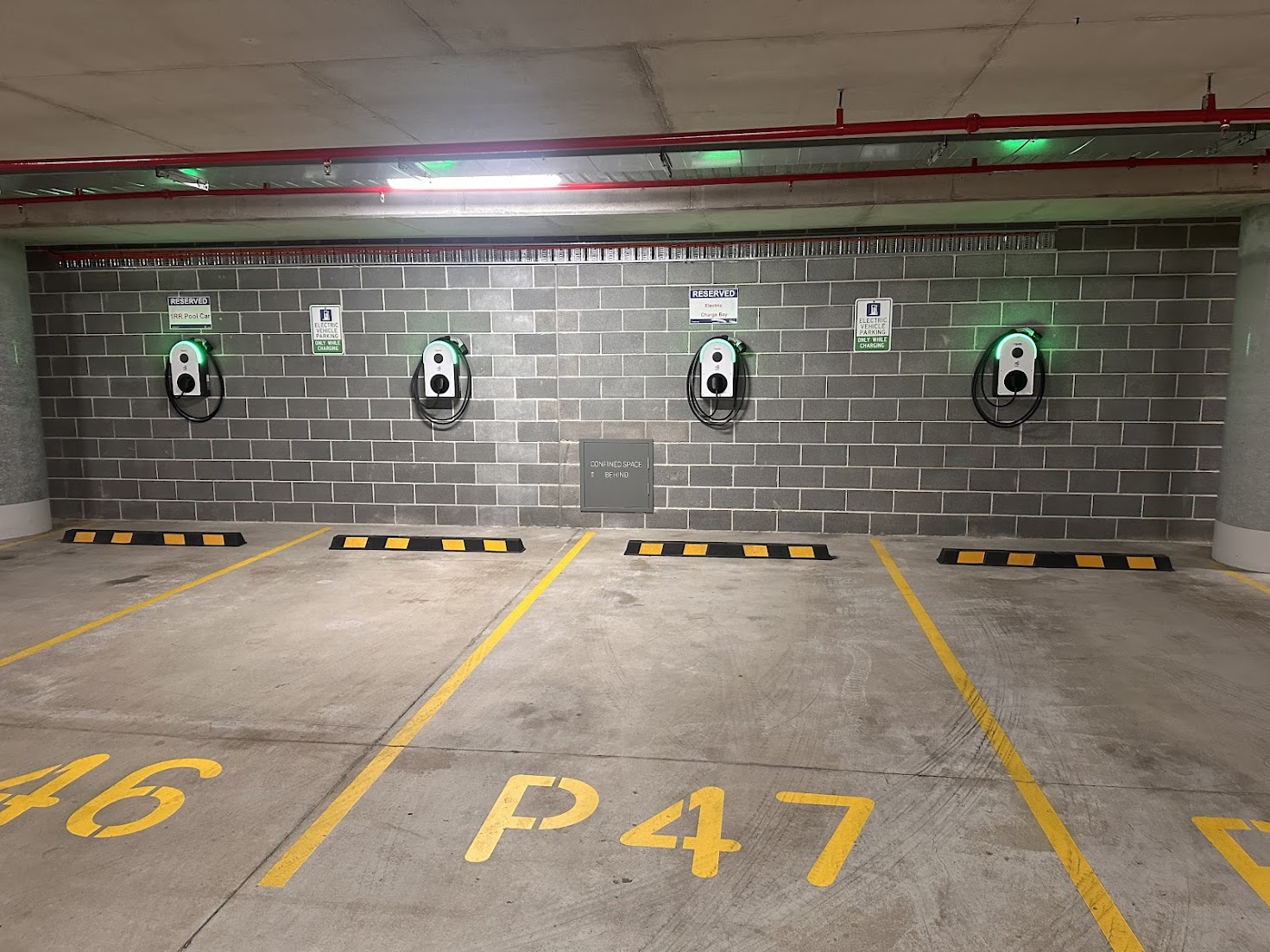
A qualified commercial electrician should assess total building electrical capacity, the condition of the existing switchboard, and realistic future demand before the first charger is installed, then design a load managed system that can scale as more owners apply over time. Sparksense Electrical has delivered exactly this kind of scaled EV rollout, including a 16-unit EV charging installation for NSW Transport at St Leonards that was completed ahead of schedule, giving committees a practical reference point for what a properly planned, multi-unit rollout actually looks like in practice.
Only with a genuine, justifiable basis. Under current NSW law, the default position favours approval for a compliant installation, and the committee carries the burden of justifying a refusal.
Not necessarily for the first one or two chargers, but committees should still get a proper load assessment early so they are not caught off guard when the fifth or sixth request arrives.
This should be set out clearly in the committee's charging policy before installation begins, covering who handles maintenance, how usage is metered, and how costs are recovered from owners using the chargers.
Sparksense Electrical works with strata committees and facility managers across the Central Coast and Newcastle corridor to plan EV charging infrastructure that scales, backed by completed commercial rollouts and $20 million in public liability cover. Get a building wide capacity assessment before approving your first charger request, so the system you build today still works once ten owners have asked for a charger instead of one.
Request a callback or quote. Fast response guaranteed.
Reach us for quotes, emergencies, or advice. Licensed and insured. Serving Central Coast & Newcastle.