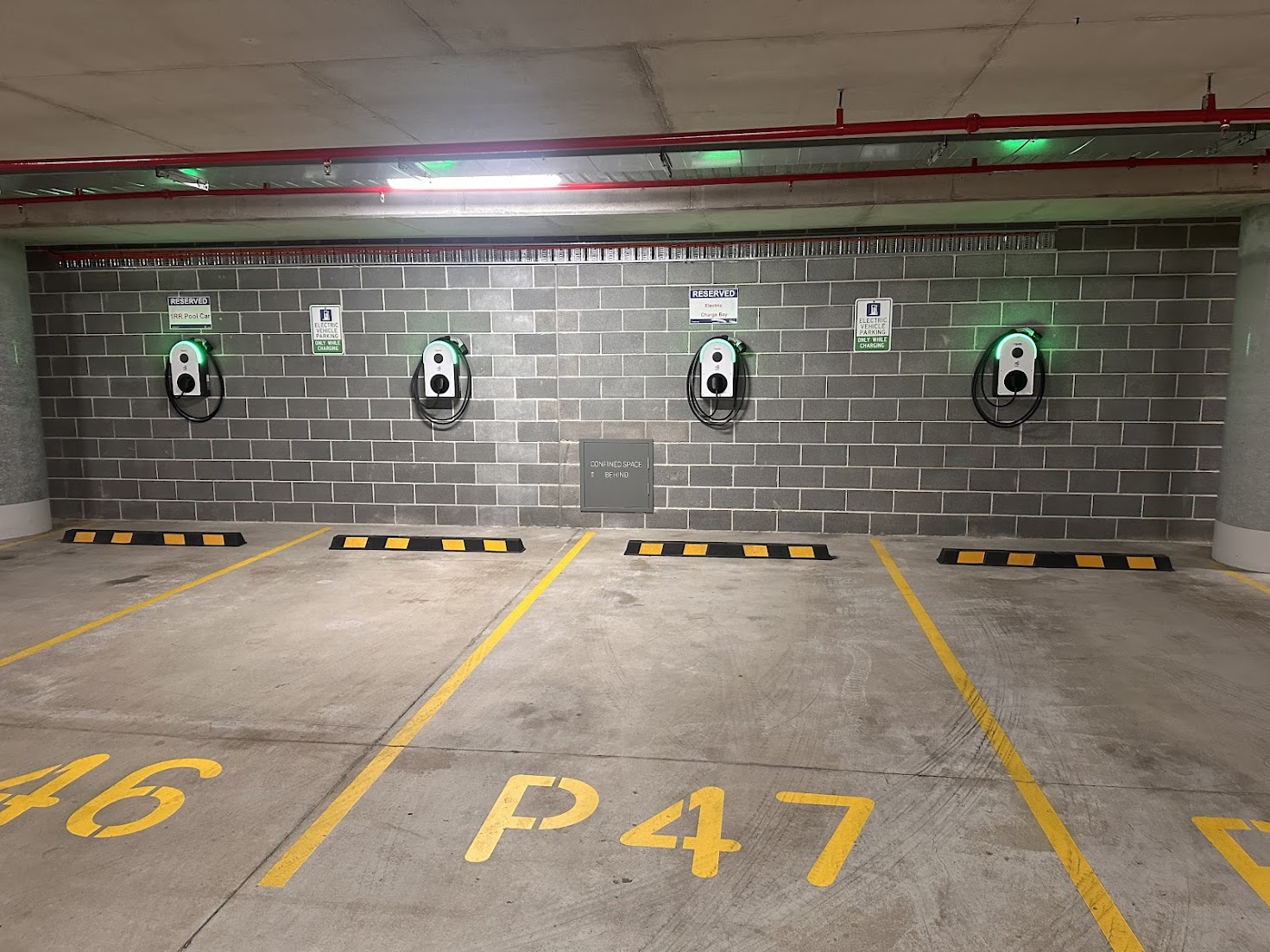
Before you install a home EV charger, check your switchboard first. Here are five signs it needs an upgrade, and what happens if you skip this step.

Most people shopping for a home EV charger start with the charger itself, comparing brands, wattage and smart features. The smarter starting point is actually the switchboard, because that unassuming box on the wall determines whether the charger you want can be installed safely at all, and how much the entire job will cost. A charger is only as good as the electrical infrastructure feeding it. Here are five signs worth checking before you request a quote, based on what turns a straightforward EV charger installation into a bigger job.
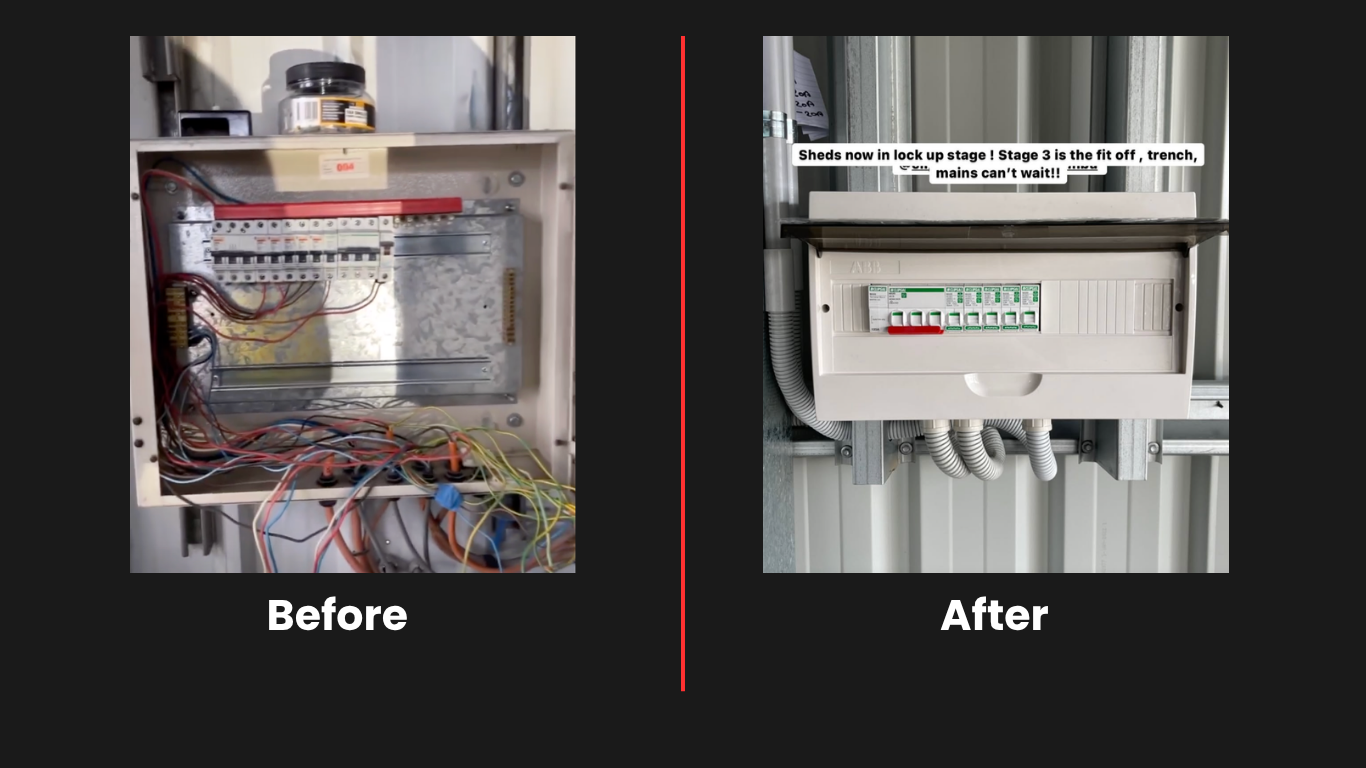
Older switchboards were built for a very different household load than the one modern homes now carry, let alone one with an EV charger added on top. Fuse based or early circuit breaker boards often lack the physical space and protective devices an EV circuit requires. Anything installed before 1990 carries an additional consideration, since some older switchboards contain asbestos backing sheets behind the fuses or breakers. This does not mean the board cannot be upgraded, but it does mean the work needs to be handled carefully by a licensed electrician who checks for this before starting, rather than discovering it partway through the job.
A dedicated EV charging circuit needs its own breaker and its own RCD, a residual current device rated to handle DC fault currents, in line with AS/NZS 3000. If your switchboard is already full with no room for another circuit, the board needs to be expanded or replaced before a charger can go in safely. This is one of the most common reasons a quoted EV charger installation turns into a two part job once an electrician actually opens the board and counts the available space.
Standard circuit breakers protect against overload, but they do not offer the same earth leakage protection as an RCBO, which combines overload protection and residual current protection in a single device per circuit. Running EV charging through a board without RCBO level protection on that circuit falls short of what a properly compliant installation looks like. Sparksense Electrical treats RCBO compliance as a baseline standard on every EV charger and switchboard job across the Central Coast and Newcastle corridor, not an optional upgrade offered at extra cost.
Frequent breaker trips, lights flickering when the air conditioner or oven kicks in, or a board that already feels maxed out are all signs the existing electrical supply is under strain before an EV charger is even added. Adding several extra hours of continuous draw overnight to a system that is already stretched is a reliable way to find out, the hard way, that an upgrade was needed. A load calculation before installation catches this in advance instead.
Three phase circuits require three times the breaker space of a single phase circuit, so moving from single phase to a three phase charger almost always means switchboard work, regardless of how new or old the board is. If you are weighing up a higher output three phase unit to future proof for a bigger EV battery or to charge faster, factor switchboard capacity into that decision from the start rather than after the charger has arrived.
A proper switchboard upgrade starts with a load calculation to confirm what the existing supply can safely handle, followed by either an expansion of the current board or a full replacement, correctly rated RCBOs on every circuit, and formal sign off to AS/NZS 3000. Good electricians also leave the site as clean as they found it, or cleaner, which matters more than it sounds once you have seen the alternative.
Sometimes, if there is genuine spare capacity and the right protection already in place, but a proper load calculation is the only reliable way to know that, rather than guessing from the outside of the board.
It adds time to the overall job, but it is far quicker and cheaper to handle it upfront than to have a charger installed and then discover afterward that the board cannot support it safely.
It shows up often enough in pre 1990 properties in the region that a licensed electrician should always check before any switchboard work begins, rather than assuming it is not present.
Sparksense Electrical assesses the switchboard first on every EV charger job across the Central Coast and Newcastle corridor, backed by more than 15 years of trade experience and a 5-star Google rating. If you are planning an EV charger installation, get your switchboard checked before you commit to a charger brand or model, so the quote you receive reflects what your property actually needs.
Request a callback or quote. Fast response guaranteed.
Reach us for quotes, emergencies, or advice. Licensed and insured. Serving Central Coast & Newcastle.